Django (1966)
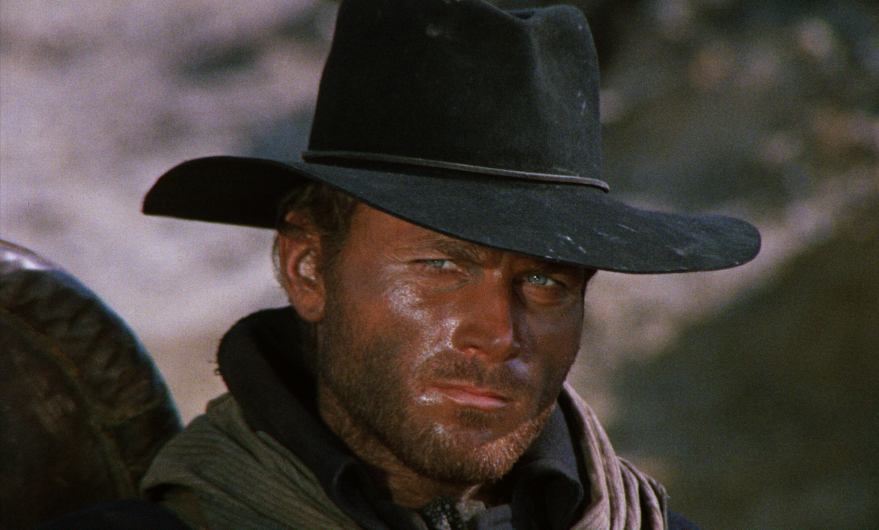
The 1966 film Django remains one of the most influential and iconic entries in the Spaghetti Western genre. Directed by Sergio Corbucci and starring Franco Nero, the film helped redefine the tone of Western cinema with its darker atmosphere, morally complex characters, and striking visual style. Released during the golden era of Italian Westerns, Django quickly gained attention for its bold storytelling and unforgettable protagonist.
Background and Production:
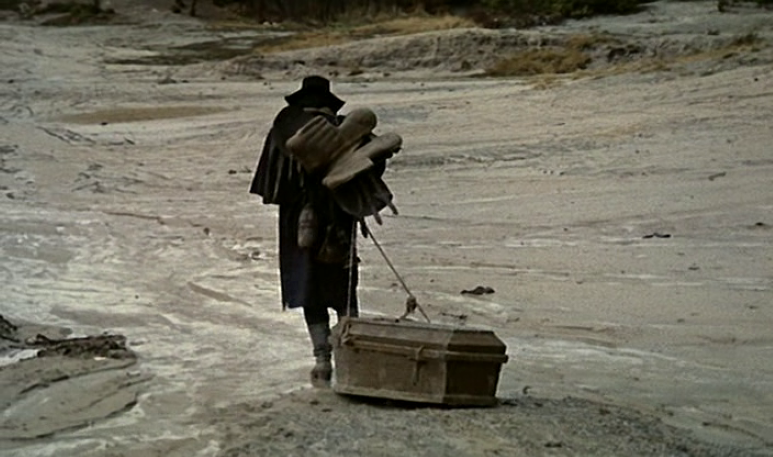
The film was produced in Italy and Spain, typical for Spaghetti Westerns of the time, which often used European landscapes to recreate the American frontier. Director Sergio Corbucci aimed to create a harsher and more violent Western compared to the works of Sergio Leone. The production embraced muddy, bleak settings rather than the sunny deserts audiences were used to, giving the film a unique and gritty tone. Franco Nero’s portrayal of Django, a mysterious drifter dragging a coffin behind him, became instantly iconic and influenced countless films that followed.
Plot:
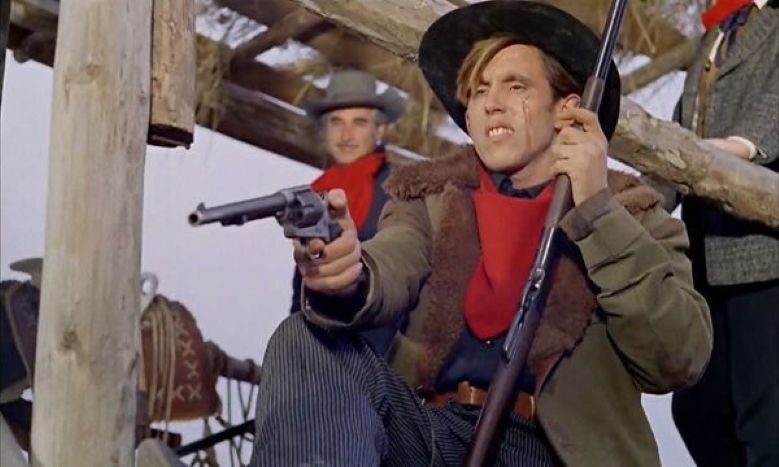
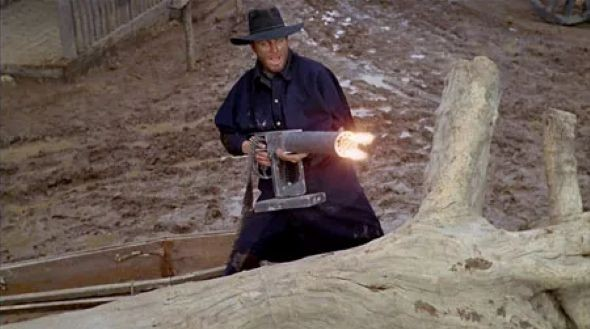
The story follows Django, a lone gunslinger who arrives in a desolate border town torn apart by violence and corruption. Caught between a group of Mexican revolutionaries and a band of ruthless ex-Confederate soldiers, Django navigates a dangerous path of revenge and survival. As secrets about the coffin he carries are revealed, the tension builds toward a dramatic and explosive confrontation. The film’s narrative blends action with themes of greed, betrayal, and justice.