Ong-Bak: Muay Thai Warrior (2003)
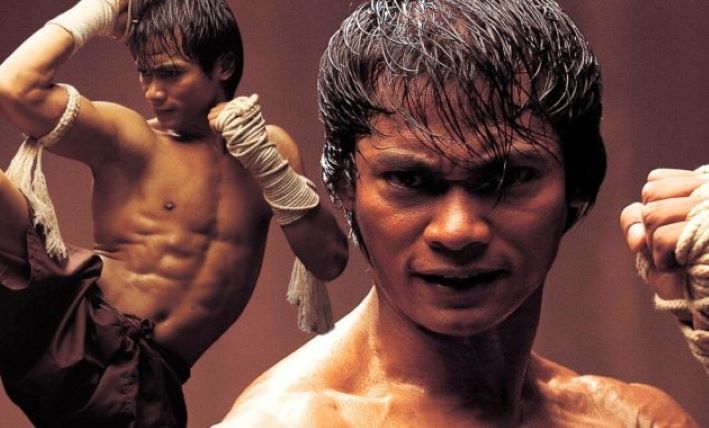
Ong-Bak: Muay Thai Warrior also known in the United States as Ong-Bak: The Thai Warrior is a 2003 Thai martial arts film directed by Prachya Pinkaew, featured stunt choreography by Panna Rittikrai and starring Tony Jaa. Ong-Bak proved to be Jaa’s breakout film, with the actor hailed internationally as the next major martial arts star. Jaa went on to star in Tom-Yum-Goong (called The Protector in the US and Warrior King in the UK) and directed and starred in two prequels to Ong-Bak: Ong-Bak 2 and Ong-Bak 3.
Plot.
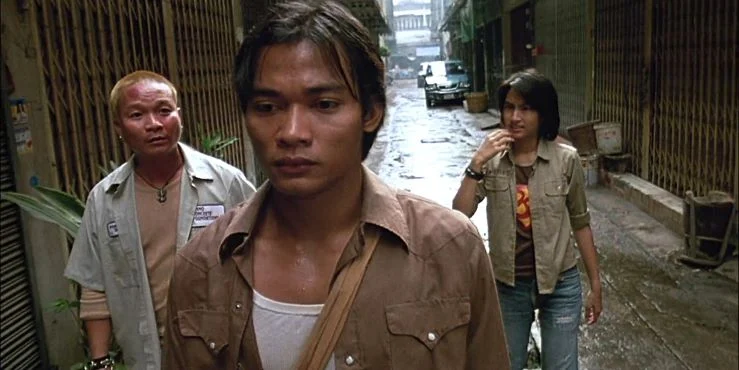
In the village of Ban Nong Pradu in rural northeastern Thailand lies an ancient Buddha statue named Ong-Bak. The village falls in despair after thieves from Bangkok decapitate the statue and take the head with them. Ting, a villager extremely skilled in Muay Thai, volunteers to travel to Bangkok to recover the stolen head of Ong-Bak. His only lead is Don, a drug dealer who attempted to buy an amulet in Nong Pradu one day earlier. Upon arriving in Bangkok with a bagful of money donated by his village, Ting meets up with his cousin Humlae, who has dyed his hair blond and begun calling himself “George”.
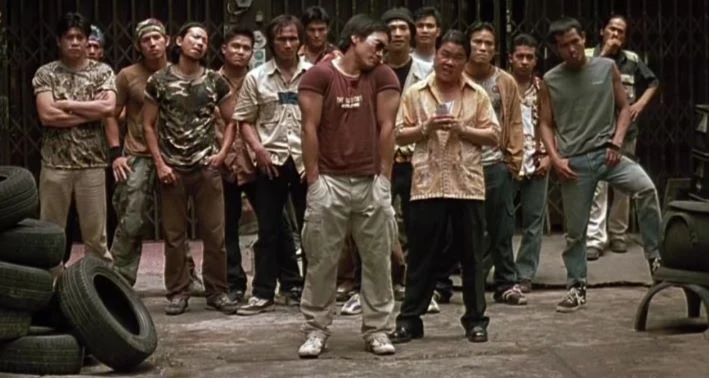
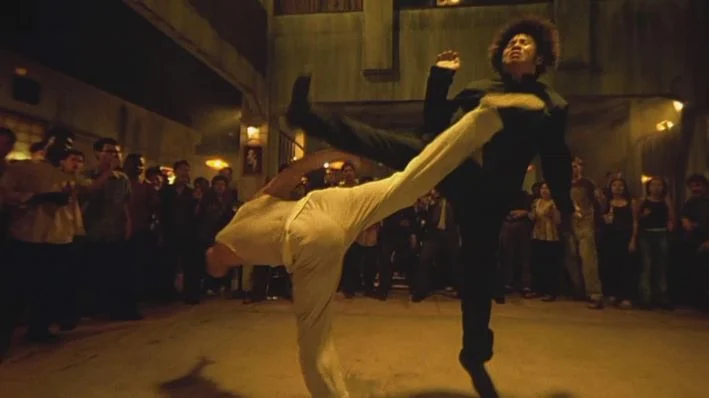
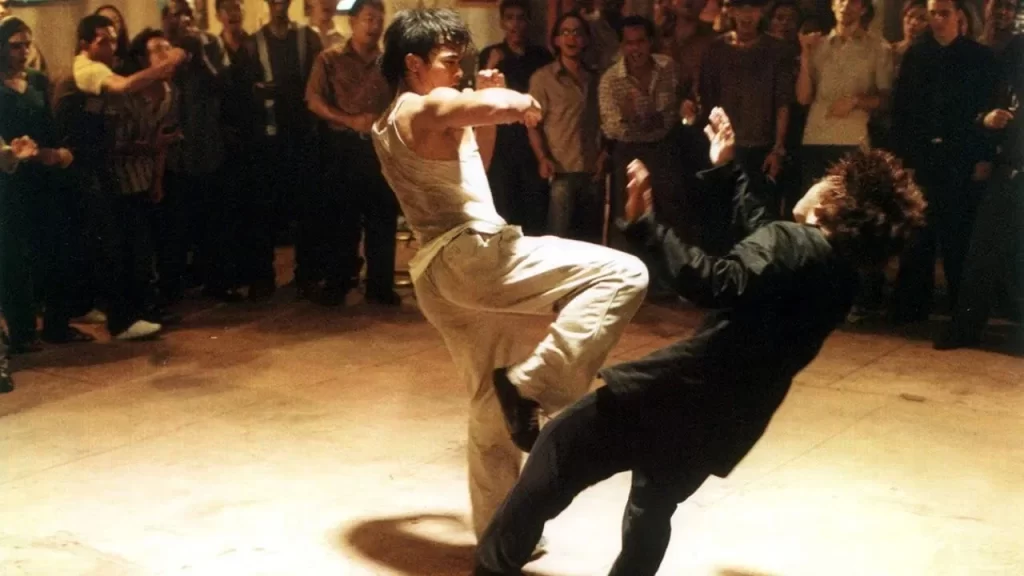
Humlae and his friend Muay Lek are street-bike racing hustlers who make a living out of conning yaba dealers. Reluctant to help Ting, Humlae steals Ting’s money and bets all of it in an underground fighting tournament at a bar on Khaosan Road. Ting tracks down Humlae and gets his money back after stunning the crowd by knocking out the champion in the ring with one kick. His extraordinary skill grabs the attention of Komtuan, a grey-haired crime lord who uses a wheelchair and needs an electrolarynx to speak. It is discovered that Don had stolen Ong-Bak’s head to sell to Komtuan, who sees no value in it and orders him to dispose of it.
Production.
Ong-Bak introduced international audiences to a traditional form of muay Thai (or Muay Boran, an ancient muay Thai style), a kickboxing style that is known for violent strikes with fists, feet, shins, elbows, and knees. The fights were choreographed by Panna Rittikrai, who was also Tony Jaa’s mentor and a veteran director of B-movie action films. Jaa, who was trained in Muay Thai since childhood, wanted to make the film in order to bring Muay Thai to the mainstream. He and Panna struggled to raise money to produce a demo reel to drum up interest for the making of the film. Their first reel was made on expired film stock, so they had to raise more money and start over.
After Ong-Bak became a hit in Thailand, sales rights for outside Asia were purchased by Luc Besson’s EuropaCorp, which in turn re-edited the film. Most of the subplot involving Muay Lek’s sister, Ngek, was removed, and the final showdown between Ting and Saming was shortened. EuropaCorp also re-scored the soundtrack with some hip-hop sounds, replacing the Thai rock score; this is this version that has been made available in the United States and most of the Western world. For the United Kingdom release, the soundtrack was scored yet again; this time with an orchestral score, but the film was left uncut with the subplot of Ngek.
RELATED:
Tony Jaa Techniques In Real Fights – Ong Bak Fight Club